Which European cities can you see in 48 hours?

It’s a common question: which European cities can you see in 48 hours? Which cities can you realistically experience on a mini-break or weekend away when travel time is tight, or you just fancy a quick getaway?
Actually, there are a lot! Europe is full of wonderful cities that are compact and walkable, and where you’ll have the opportunity to experience the main sights in 2 days. And many are just a short hop away from the airport, which means it’s quick and easy to get into the city centre and maximise your time.
Here you’ll find a selection of some of the best European cities you can see in 48 hours. I’ve visited all of them, so I can personally vouch for the fact that they’re excellent options for a short trip.
This post contains affiliate links
Top European cities you can see in 48 hours
– Porto, Portugal: ideal for anyone wishing to sightsee in a scenically dramatic destination or who wants to combine a trip to Porto with a visit to the capital, Lisbon
– Edinburgh, Scotland: a perfect stand-alone city break or as a stopover to other places such as the Scottish Highlands or a ride on the Hogwart’s Express
– Munich, Germany: perfect for travellers who love history, culture, and city sightseeing, and the lively social scene in the city’s bierkellers
– Valencia, Spain: an excellent choice for combining a city sightseeing break with the chance to spend some time relaxing by the beach
– Bruges, Belgium: for anyone looking for a ‘chocolate boxy’ destination to explore, a romantic city break, or the chance to sample the famous Belgian beer and chocolate
– Bologna, Italy: a city for foodies! In between sightseeing, stroll around the city’s delis and markets sampling the local cheeses, meats, and the traditional Ragu alla Bolognese
– Salzburg, Austria: a city for sightseeing in a fairytale old town setting, with the chance to visit Mozart’s birthplace and have a sing-along on a ‘Sound of Music’ tour
– Tallinn, Estonia: a destination with a medieval old town that’s outside of the usual Western European city breaks, and that is a slightly cheaper place to spend time
Read on for more information on these cities and why they are perfect choices for a 48 hour trip.
Top European cities you can see in 48 hours
Porto, Portugal

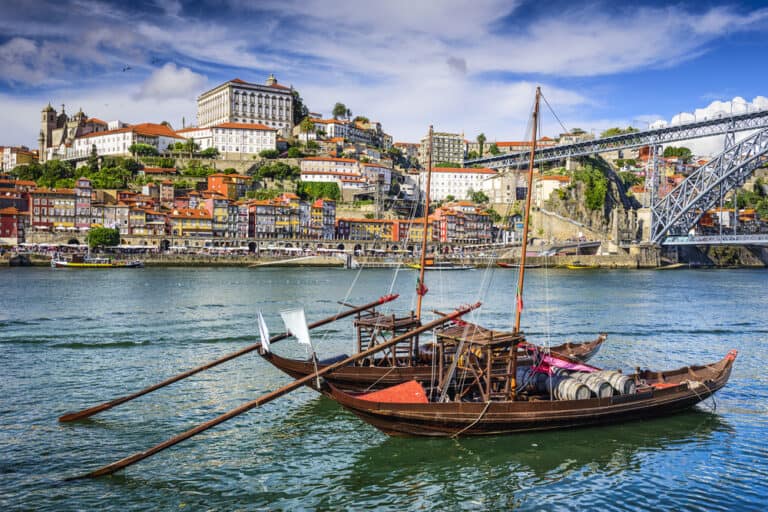
Portugal’s second city is located in the north of the country on hills overlooking the Douro River. Its historic centre, a UNESCO World Heritage Site, features beautiful old buildings and landmarks, as well as vintage trams that trundle through the streets.
There’s also a riverside neighbourhood that houses old historic port lodges, and places to take in wonderful views across the city and river.
What can you see in Porto in 48 hours?
Start in the hilltop complex that contains the Se do Porto (Cathedral) and the Episcopal Palace, the city’s 12th century cathedral, before going down to the Ribeira riverside promenade with its colourful higgledy-piggledy houses.
Ribeira is a great place to stop for a coffee: sit outside and look out at the river, the bridge, and the port wine lodges opposite in Vila Nova de Gaia.
You can walk across the bridge, hop in the cable car down to Vila Nova, and experience a port tour (there are plenty to choose from, but book in advance to avoid disappointment). You’ll see the traditional rabelo boats moored here.
In the central area, you can climb the 76 metre high tower Torre des Clerigos, and visit the nearby Livraria Lello. This is the neo-Gothic bookshop that inspired JK Rowling when she penned Harry Potter.
There are also lavishly decorated churches and buildings dotted throughout the area, and the monumental town hall in the central Plaza, the Praca da Liberdade.
And on one of your two days, you could book a short boat cruise along the Douro River.
Read more about the top things to do in Porto here.
Why Porto works well in 48 hours
Porto’s main sights and landmarks are concentrated in a small area which makes sightseeing easy. A lot is walkable, but note that some areas are steep so you might prefer to catch the hop-on hop-off bus.
You can sightsee in main city centre on one day and on another, experience some of the city’s wonderful wine: either on a port lodge tour or a Douro river cruise.
Who will enjoy 48 hours in Porto?
Anyone who likes to spend time in a scenically dramatic city where you can sightsee, sail along a river, and try the local wine will love it here.
It’s also possible to combine Porto with a trip to the capital, Lisbon. High-speed trains connect the cities in just under three hours.
Edinburgh, Scotland
Edinburgh, Scotland’s capital, is one of the top UK cities for a short break. And as with all the entries on this list, it’s a great place if you only have a couple of days to hand.
The city boasts old medieval streets and buildings, hidden nooks and crannies, and quaint shops. There are attractions built on the remnants of old volcanoes, viewpoints where you can look out over the city, a harbour area with high-end seafood restaurants, and nearby beaches.
In August, the city hosts the world-famous Edinburgh Festival, the largest arts festival in the world.
What can you see in Edinburgh in 48 hours?
With 48 hours in Edinburgh, primarily focus on the city’s historic old town.
Wander along the Royal Mile, stopping off at its many attractions. At one end is Edinburgh Castle, perched dramatically on top of an extinct volcano. At the other end is the Palace of Holyroodhouse, the official residence of the King when he is in Edinburgh.


Not far away is Princes Street Gardens with the nearby Victorian Gothic Scott Monument.
You’ll also have time on your trip to climb up to Calton Hill, a UNESCO World Heritage Site, where you can get fabulous views across the city. And if you drink, sample some of Scotland’s famous whisky: you can partake in some whisky tasting at the Scotch Whisky Experience museum, which is not far from the castle.
For your evening meal, the city centre has lots of offerings – but if you like seafood, hop on the bus out to Leith, where there are some high-end seafood restaurants.
Why Edinburgh works well in 48 hours
Although there’s enough in Edinburgh to justify a longer break, you can see many of the sights it’s famous for by focusing on the old town, the Royal Mile, and the area around Princes Street Gardens. These are within walking distance of each other.
There’s also a hop-on hop-off bus if you prefer.
The main train station brings you into the heart of the city, and the airport is just 13 kilometres away.
Who will enjoy 48 hours in Edinburgh?
Edinburgh works well as both a stand-alone city break and as a stopover on the way to other places. This might be travellers planning wider trips to the Scottish Highlands or Harry Potter fans planning to ride the Hogwart’s Express.
If you enjoy theatre, comedy and music, visit in August when the Edinburgh Festival takes place.
Read more about Edinburgh here.
Munich, Germany
The Bavarian city of Munich (Munchen), in the south of Germany, is another excellent choice for a quick getaway. It is home to historic buildings, excellent museums, spacious parks and gardens, and impressive palaces.
And if you’re partial to a German beer or two, you’ll find plenty of options here in the city’s numerous beer halls (not to mention the annual Oktoberfest, which is held in the city).
What can you see in Munich in 48 hours?
The starting point for any short break should be the Marienplatz Square in the old town. This is home to some of the city’s most iconic landmarks, including the massive neo-Gothic Neues Rathaus (New Town Hall).
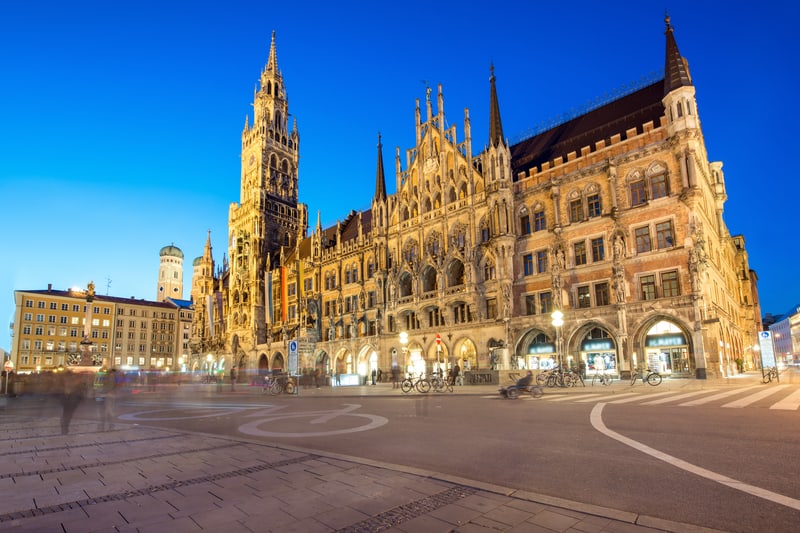
Nearby is The Residenz, a former royal palace that now houses a museum, the Treasury, and a theatre. There’s also the 15th century Frauenkirche Church (Church of Our Lady), with its two domed towers, one of which you can climb.
For fresh air, head to the English Garden (Englischer Garten). At over 370 hectares, it’s the largest public park in Munich. There are paths to stroll along, a lake, a river, and a large Chinese pagoda.
If you need some rest, stop off in the beer garden next to this (or to sample more German beer, head back to the bierkellers in the old town).
A bit further out is the beautiful 17th-century baroque Nymphenburg Palace (Schloss Nymphenburg), which once served as the summer residence for the Bavarian Royal Family. With its museums and extensive grounds (in summer, you can ride a gondola on the water), it’s worth some of your time.
You can catch the hop-on hop-off bus there.

The city also has a botanical garden and a range of museums that cater to various interests.
Why Munich works well in 48 hours
Although Munich is the third-largest city in Germany, the main sights are concentrated in a relatively small area. It’s therefore possible to walk between most of them and sightsee at a relatively relaxed pace.
A few things in Munich are a bit further out, most notably Nymphenburg Palace. However, the hop-on hop-off bus includes this. I used this to get out to the Palace when I visited (read more about this here), and it worked well.
Who will enjoy 48 hours in Munich?
Munich is perfect for travellers who love history, culture, and city sightseeing, as well as those who will enjoy the lively social scene in the city’s bierkellers. The Oktoberfest, which takes place annually in late September/early October is also a big draw for many people.
Valencia, Spain
As I found out last year, Spain’s third-largest city is a perfect mini-break destination, full of fantastic attractions and sights.
Amble along ancient streets and through grand plazas in the compact and enchanting old town; explore some of Spain’s most cutting-edge museums; visit Europe’s largest aquarium; and spend time on some of the city’s beaches, eating authentic paella, Valencia’s most famous culinary export.
What can you see in Valencia in 48 hours?

Valencia’s old town includes a warren of ancient streets, picturesque plazas, parks, and landmarks.
Highlights include the Plaza de la Virgen. Framed on one side by Valencia Cathedral and the Basilica de la Virgen de los Desamparados, the sweeping square features an eye-catching fountain that is stunning when lit up at night. The Plaza de Ayuntamiento is also visually impressive with grand buildings lining its sides.
Just outside the main centre is the City of Arts and Sciences (Ciudad de las Artes y las Ciencias), a showpiece of modern architecture. It includes the amazing Oceanographic, Europe’s largest aquarium. There’s also a planetarium, a 3D IMAX cinema, and an interactive science museum.

If you want to go into Europe’s largest aquarium, book tickets in advance to help you make the most of your time. There were long lines when we went. You can book tickets here.
Aside from sightseeing, there are plenty of gardens and green spaces to enjoy (e.g. the Turia Gardens, which follow the path of dried-out Turia River that snakes around the city’s historic centre).
There are also beaches nearby. In just 48 hours, you’ll probably only be able to visit the nearest ones, but they have seaside promenades to wander along and restaurants to eat out in. They are definitely worth visiting, especially if you have fine weather during your trip.
Sit by the sea and try some of the traditional paella being served up!
Why Valencia works well in 48 hours
Two days in Valencia is enough time to see the main attractions and get a real flavour of the city. The fact that different areas offer different attractions means it’s easy to decide how to apportion your time.
As per my itinerary in my fuller post, it works well to focus on the old town on one day. You can then visit the City of Arts and Sciences and the beach on another.
A hop-on hop-off bus connects the different areas.
Who will enjoy 48 hours in Valencia?
Valencia is an excellent option if you want to combine city sightseeing with time spent relaxing by the beach and eating good food. If you like art, history, or science, there’s a fabulous selection of cultural attractions.
Visit in March to experience the colourful Las Fallas festival.
Bruges, Belgium

Bruges is one of the most popular destinations in Belgium and a great option for a quick break. The city has historic landmarks, beautiful medieval buildings, cobblestone streets, and scenic canals (it’s often called the ‘Venice of the North’ due to its extensive network of waterways).
The city’s compact historic centre is easy to navigate and is a designated UNESCO World Heritage Site.
What can you see in Bruges in 48 hours?
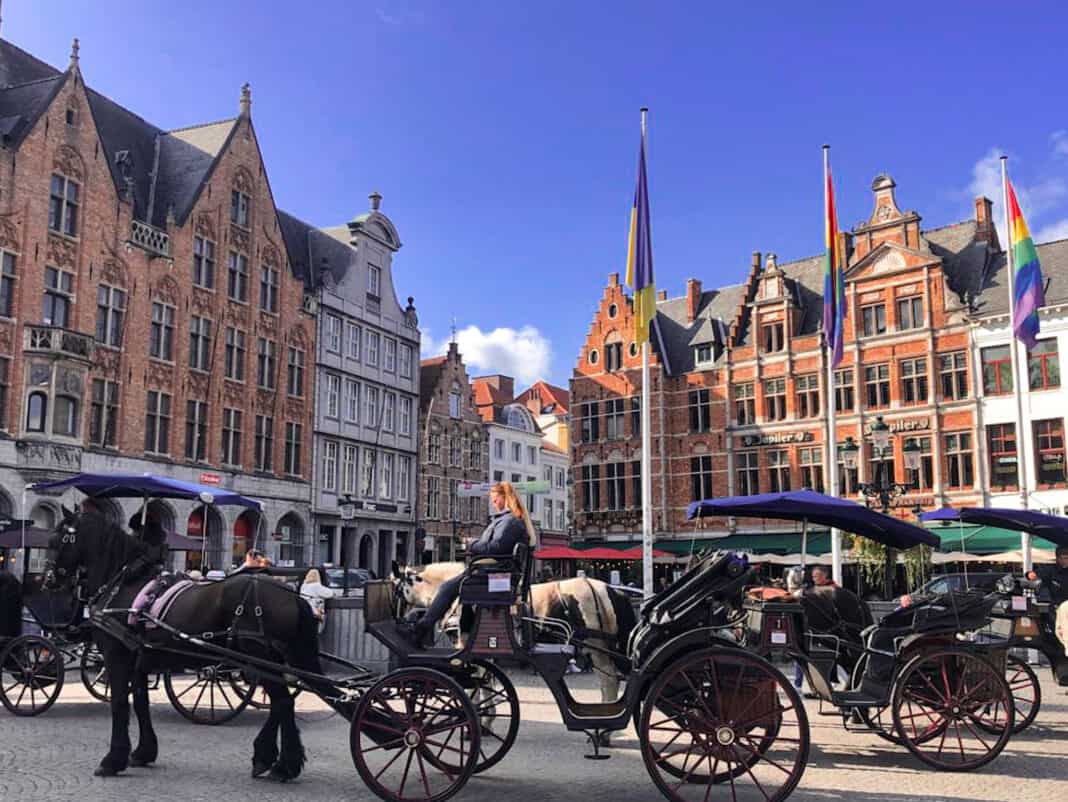
Head to the Grote Markt, the city’s central square in the heart of the city’s old town. See the city’s distinctive step-gable roofed buildings (many are now restaurants and bars), as well as the Belfry of Bruges (Belfort). You can climb the Belfry for fabulous views over the city.
There’s also Burg Square, home to the City Hall and a place where you can pick up a horse-drawn carriage tour if you fancy sightseeing this way. Burg Square is not far from the canal and Rosary Quay, which is one of the most photographed spots in the city.
You can hop on a boat in this area and sail along the canals. This is one of the top things to do in Bruges and a great way to see the city.
The city also has a number of excellent museums to visit.
If you plan to visit several museums, consider buying a Musea Bruges Card, which gives entry to over 10 museums and monuments.
You can learn about the history of the city in the Historium Bruges, see art in the Groeninge Museum, and view Michelangelo’s Madonna with Child Sculpture in The Church of Our Lady.
And you can sample Belgian beer in the Bruges Beer Experience.
Why Bruges works well in 48 hours
Bruges is a relatively small place as cities go, so it’s easy to experience it in just a short time. Although it doesn’t have an airport, it’s only an hour’s train journey from Brussels Airport. Brussels Gare du Midi – where the Eurostar train disembarks – is also only an hour away.
Belgium’s superb rail connections mean it’s also easy to combine a visit to Bruges with other destinations. Ghent is less than half an hour away by train, and Antwerp is around 90 minutes.
Who will enjoy 48 hours in Bruges?
If you’re looking for a ‘chocolate boxy’ destination for a couple of days, or a romantic getaway, then Bruges is it. Its quaint cobbled streets and squares also make it a top destination over the festive period (it hosts an annual Christmas market).
Or maybe you just fancy a weekend away sampling the famous Belgian beer and chocolate!
You can read more about the top things to do in Bruges here.
Bologna, Italy

With its distinctive red roofs, elegant porticoes, and two leaning towers, not to mention an unrivalled foodie experience (which is really saying something in a country renowned for its superb cuisine), Bologna is an impressive city to visit.
A 48-hour trip to Bologna is just enough time to wander around the main sights, but also leave time to soak up the atmosphere and sample the wonderful food.
What can you see in Bologna in 48 hours?
Visit the main square, Piazza Maggiore, with its eye-catching Gothic-style Basilica, the Basilica di San Petronio. Nearby there are more palazzos to explore, all with beautiful buildings and architecture, and museums.
As you wander, you’ll find it hard to miss the two 12th century towers that loom up on the city’s skyline and overlook the Piazza di Porta Ravegnana. You can go inside the Asinelli Tower (the taller of the two, which appears to be leaning over!) for incredible views over the city. Book in advance if you want to do this.
Given that one of Bologna’s names is La Grassa (‘the fat’), you should spend some time experiencing the wonderful food on offer in the city. It’s where Bolognese sauce comes from, and there’s no end of places where you can try traditional Ragu alla Bolognese.
There’s also local Parmesan cheese, balsamic vinegar, and an eye-watering range of cured meats, cheese, and handmade pasta. Head to the Quadrilatero area, with its delis and markets, and sit and sample some of this in the street-side cafes and restaurants.

Or book a food tour and spend the afternoon immersing yourself in Bologna’s vibrant culinary scene.
Explore the different food tours on offer in Bologna here.
Why Bologna works well in 48 hours
Bologna has plenty of attractions to put on your itinerary, but nowhere near as many as some of the other Italian cities you might be considering visiting, such as Venice, Rome and Florence. This allows you to explore at a more relaxed pace, soak up the city’s atmosphere, and try the local food (which is a must!).
Who will enjoy 48 hours in Bologna?
Bologna is a city for foodies! So it’s definitely a place for anyone who enjoys trying local dishes and learning more about a destination’s culture through its gastronomy. Couple this with beautiful plazas and piazzas and some gorgeous architecture, and it’s a fantastic choice for a short getaway.
Salzburg, Austria

With its baroque architecture, beautiful old town by the Salzach River, and rich cultural heritage, Salzburg is a perfect blend of charm and elegance that’s ideal for a short trip. Situated in the north of Austria near the German border (it’s less than two hours by train from Munich) and two and a half hours from Vienna, it’s also a convenient place for a twin-city break.
What can you see in Salzburg in 48 hours?
Start your visit in the fairytale old town. Spend time just wandering through it and soaking up the vibe. There are small, pretty squares, and cobblestone streets lined with beautiful baroque buildings, quaint shops, and cosy cafés.
Visit Salzburg Cathedral, as well as Mozart’s Birthplace, an attractive yellow townhouse on one side of Getreidegasse. Getreidegasse is a particularly beautiful street with its historic signs and charming boutiques.
From part of the old town, you can look up at the Hohensalzburg Fortress, an impressive medieval fortress perched on a hilltop. Go up to the fortress for beautiful views of the city roofs, the river, and the surrounding Alps.
The city also has the 17th century Mirabell Palace and Garden to visit, which is another fabulous place to spend some time in.

Given that the ‘Sound of Music’ movie was filmed largely in Salzburg, fans should squeeze in a tour. These tours include various sights from the movie, and also go outside the city into the Austrian countryside.
Why Salzburg works well in 48 hours
Salzburg’s main sights are close together in the old town, making it another compact, walkable destination which is easy to experience in a short time.
If you want to see a bit more of the countryside that Austria is so famed for, you can also easily fit in an afternoon ‘Sound of Music tour’. This will give you the opportunity to see the nearby lakes and mountains.
Who will enjoy 48 hours in Salzburg?
If you love sightseeing in historic old towns that are surrounded by stunning countryside, put Salzburg on your list. You’ll also want to visit if you’re a Mozart fan (there’s an annual ‘Mozart Week’ festival in late January) or love the ‘Sound of Music’ and fancy having a sing-along on a dedicated tour.
Tallinn, Estonia
Tallinn, the capital of Estonia in northern Europe, is a little further to travel for some people, but it is worth the effort.
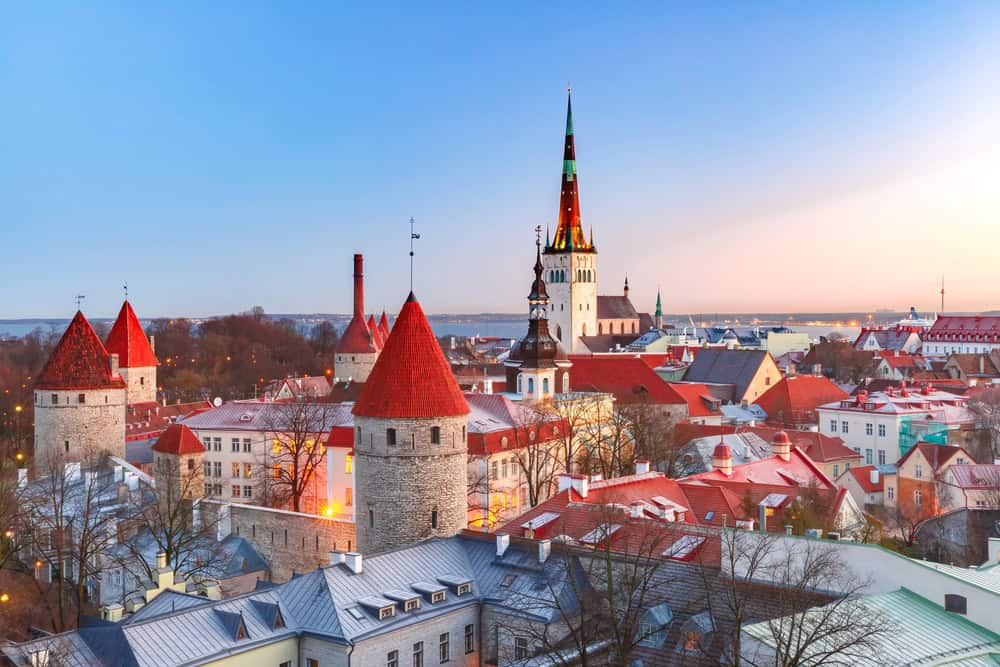
It boasts an enchanting medieval old town, a maze of cobbled streets that wind around the city, and ancient city walls with imposing watchtowers. There is also a range of museums to visit, as well as a beautiful city park with a Palace.
What can you see in Tallinn in 48 hours?
With 48 hours in Tallinn, you can comfortably explore the old town, as well as attractions a little outside of it.
In the old town, wander through the narrow streets and alleyways, see the beautiful buildings, pop into small squares, and walk along the city walls. At night, the old Town Hall Square is a perfect place to grab a drink, sample some Estonian cuisine, and watch the sun go down.
You can stroll across to Toompea Hill and visit the Alexander Nevsky Cathedral. Nearby are viewing platforms offering panoramic views of the city. And in summer, climb to the observation deck in St. Olav’s Church for more views.
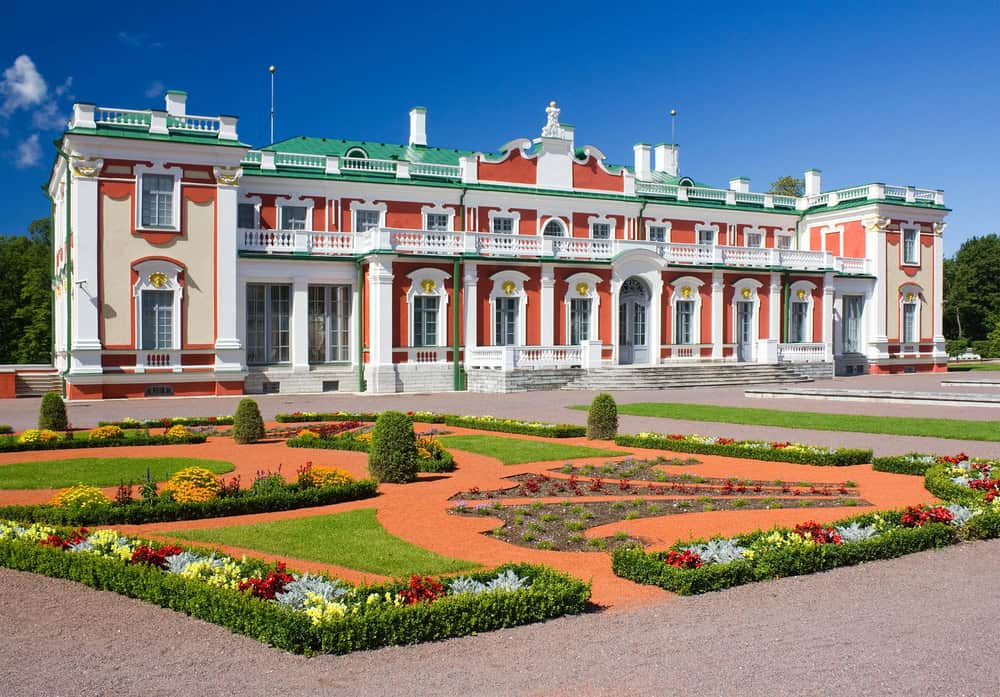
Also go out to Kadriog Park: it’s about 10 minutes by tram from the main centre, so easily reached. Here, there is Kadriorg Palace, a striking building surrounded by beautifully tended gardens, and which houses an art museum.
Back in the city centre, there are history museums and in the harbour area, the Seaplane Harbour Museum (as the name suggests, located in a seaplane hangar).
Why Tallinn works well in 48 hours
Tallinn is a perfect place for a 2-day trip. It’s a small but perfectly formed destination that allows you to fully experience it without feeling rushed. The airport is just 4 kilometres from the old town, with a journey time of around 20 to 25 minutes by bus.
Anyone feeling particularly adventurous, could also hop across on the ferry to Helsinki in Finland. This is a journey of about 2 hours each way, so you’d need to plan to make sure you can squeeze this in on your short break.
Who will enjoy 48 hours in Tallinn?
If you fancy a quick trip to somewhere outside of the usual Western European city breaks, then give Tallinn a go. It’s ideal if you enjoy the atmosphere of small medieval old towns.
Being one of the Baltic States, you’ll also find it’s a slightly cheaper place to spend time when compared to some other European cities.